Ideogram 4.0 & Reve 2.0: AI Image Generation Gets Structured
AI image generation just had its “structure moment.” On the same day, two major model launches — Ideogram 4.0 and Reve 2.0 — are moving the industry from “type a prompt and hope for the best” to structured, controllable, editable design. For small businesses that need professional visuals without a design team, this is a significant shift.
Ideogram 4.0: The Open-Weight Text Rendering King
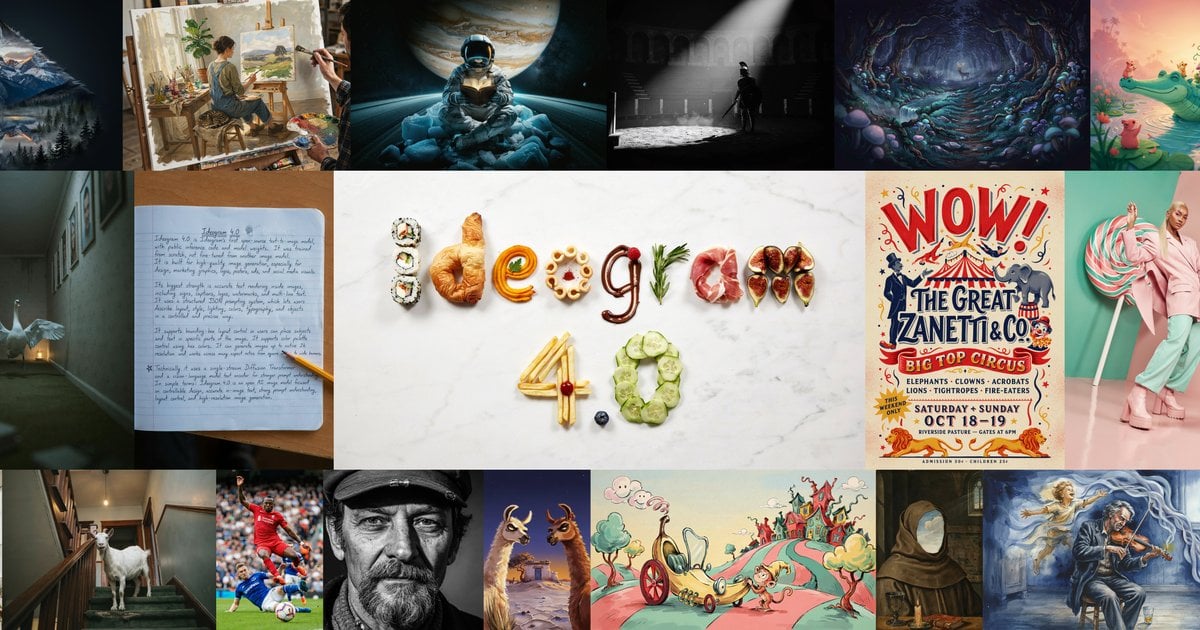
Ideogram 4.0 is the first open-weight model from the Toronto-based team, and it’s making an immediate impact:
- 9.3 billion parameters, trained from scratch (not a fine-tune)
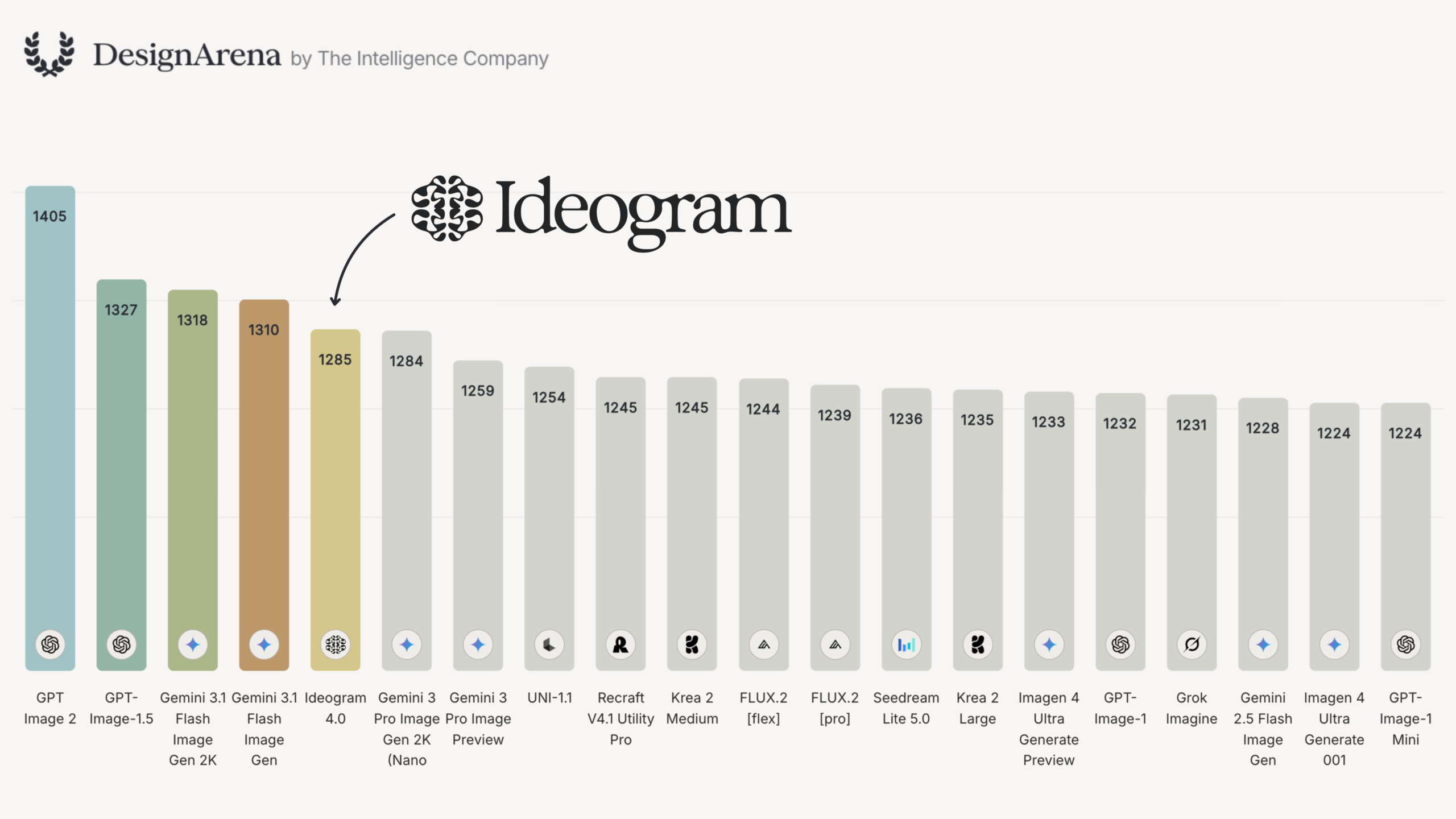
- #1 open-weight model on Design Arena — trails only closed-source GPT and Gemini models
- 47.9% first-place win rate in blind ContraLabs typography testing (professional designers preferred it)
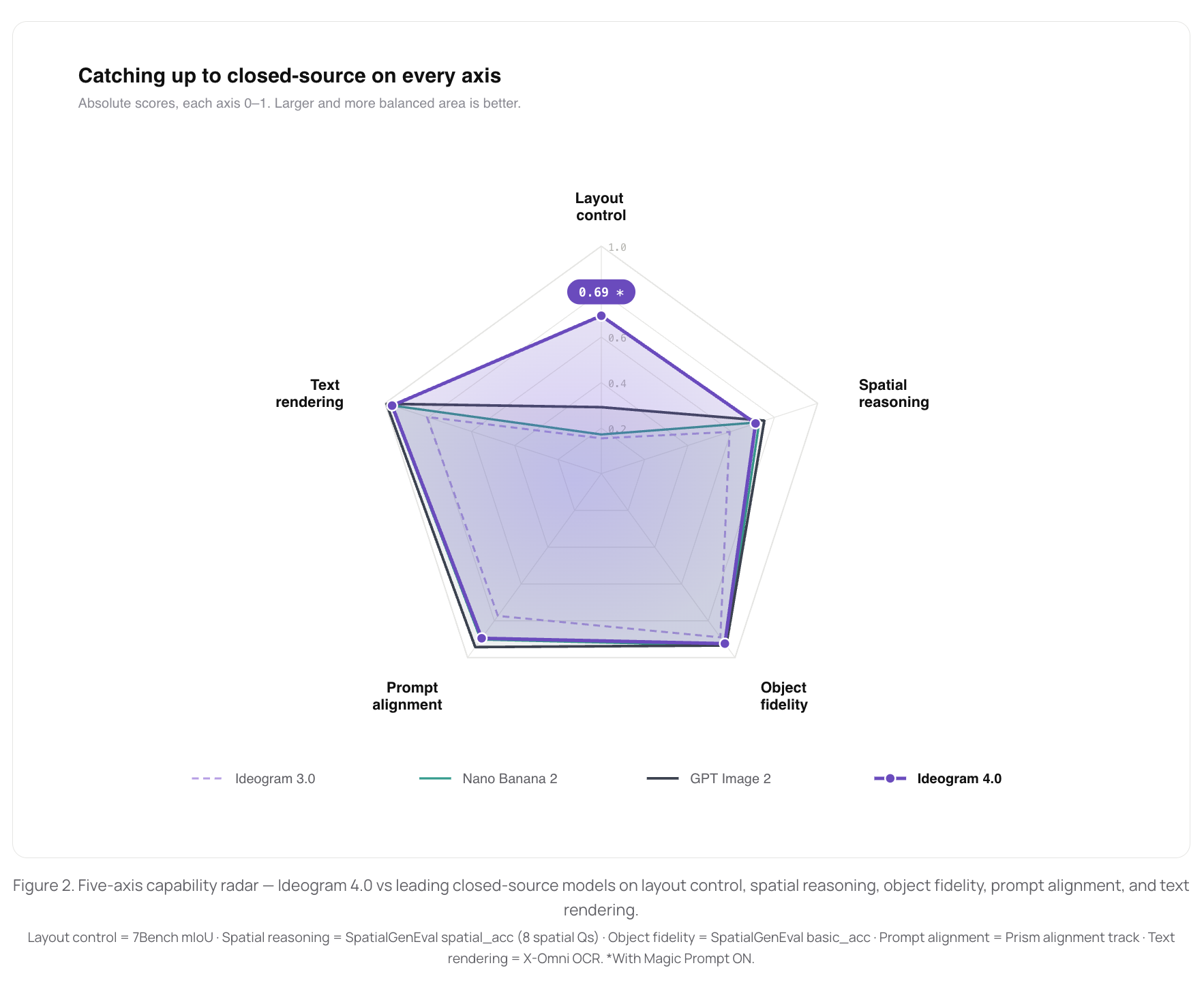
- Best text rendering of any open-weight release — ahead of FLUX.2 (32B), Qwen-Image (20B), and HunyuanImage 3.0 (80B)
- Native 2K resolution output
- Structured JSON prompting with bounding-box layout and color-palette controls
Available on HuggingFace (gated, non-commercial license) and ideogram.ai, with day-zero launches on Leonardo and fal.ai.
Reve 2.0: Images as Editable Code
Palo Alto-based Reve AI takes a fundamentally different approach. Instead of prompting and praying, Reve treats images as structured hierarchies — every element has a location, size, and description that users can edit directly.
- #2 on Arena text-to-image leaderboard (behind only GPT-image-2, ahead of Nano Banana 2)
- Claims to be “the best image generation system from any sub-$1 trillion company”
- Trained on 10x fewer GPUs than competitors — impressive efficiency
- Layout-based editing: modify image structure like code, not by re-prompting
- CLIP similarity scores jump from 0.865 (no layout regions) to 0.929 (50 regions)
- Available on fal.ai from day zero
The insight is simple and powerful: when you can specify exactly where things go, the model doesn’t have to guess. The result is dramatically better accuracy and consistency.
Why This Matters for Small Businesses
Here’s the practical impact: these models are closing the gap between “AI art” and “professional design.” Three things are changing:
1. Text That Actually Works
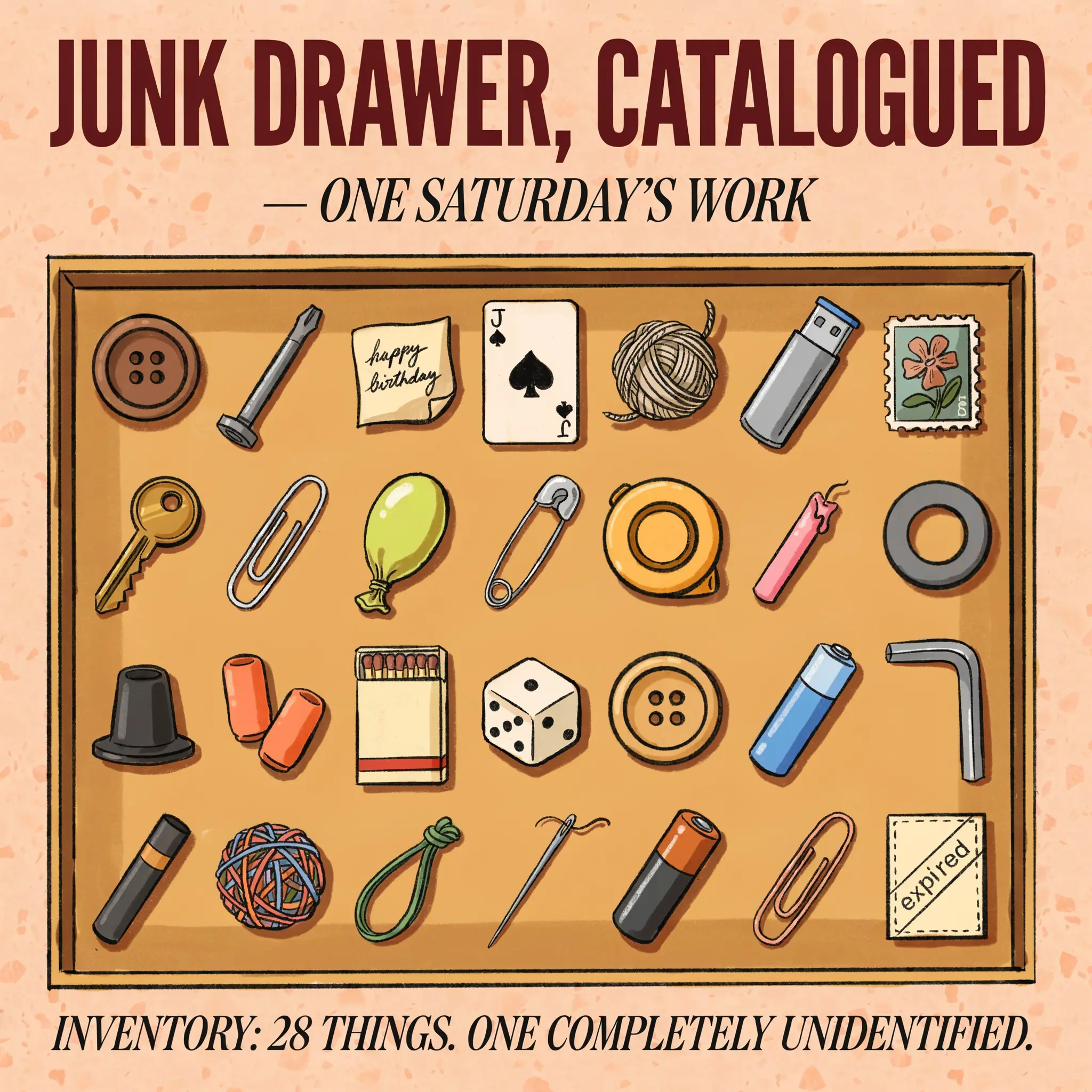
Ideogram 4.0’s text rendering isn’t just better than other open models — it’s approaching the quality where you’d actually use it for a social media graphic, ad creative, or presentation slide. For businesses that have been burned by AI-generated gibberish text, this is the model that changes the equation.
2. Control Instead of Guesswork
Both models are building toward the same goal: structured generation. Ideogram’s JSON prompting with bounding boxes and Reve’s hierarchical layout system mean you can say “put the logo here, the headline there, and use these brand colors” — and actually get that result. No more generating 50 variations to find one that’s acceptable.
3. Open-Weight Means Affordable
Ideogram 4.0 is open-weight. That means hosting providers like fal.ai and Leonardo can offer it at a fraction of the cost of closed models. For businesses generating hundreds of images a month for social media, email campaigns, and ads, the economics matter.
The Bigger Picture
These launches represent a paradigm shift in how we think about AI-generated visuals. The first generation of image AI was about generation — could it make something that looked good? This generation is about control — can it make exactly what you need, where you need it, with the right text and layout?
For businesses using AI in their content pipeline (and you should be), this means fewer iterations, less wasted time, and more on-brand output from the first generation.
Quick Comparison
- Ideogram 4.0: Best for text-heavy graphics, social media posts, marketing materials with accurate copy. Open-weight, affordable, high resolution.
- Reve 2.0: Best for complex compositions where layout matters — product shots, editorial images, anything needing precise element placement.
- Both: Moving from “prompt and pray” to structured, professional-grade visual generation.
Bottom Line
AI image generation is growing up. The models launching today aren’t just better at making pretty pictures — they’re better at making useful pictures. Pictures with correct text. Pictures with controllable layouts. Pictures that don’t need 47 retries to get right.
If your business is still paying for stock photos or spending hours in Canva, these tools deserve a look. The gap between “AI-generated” and “professionally designed” just got a lot smaller.
Sources: